

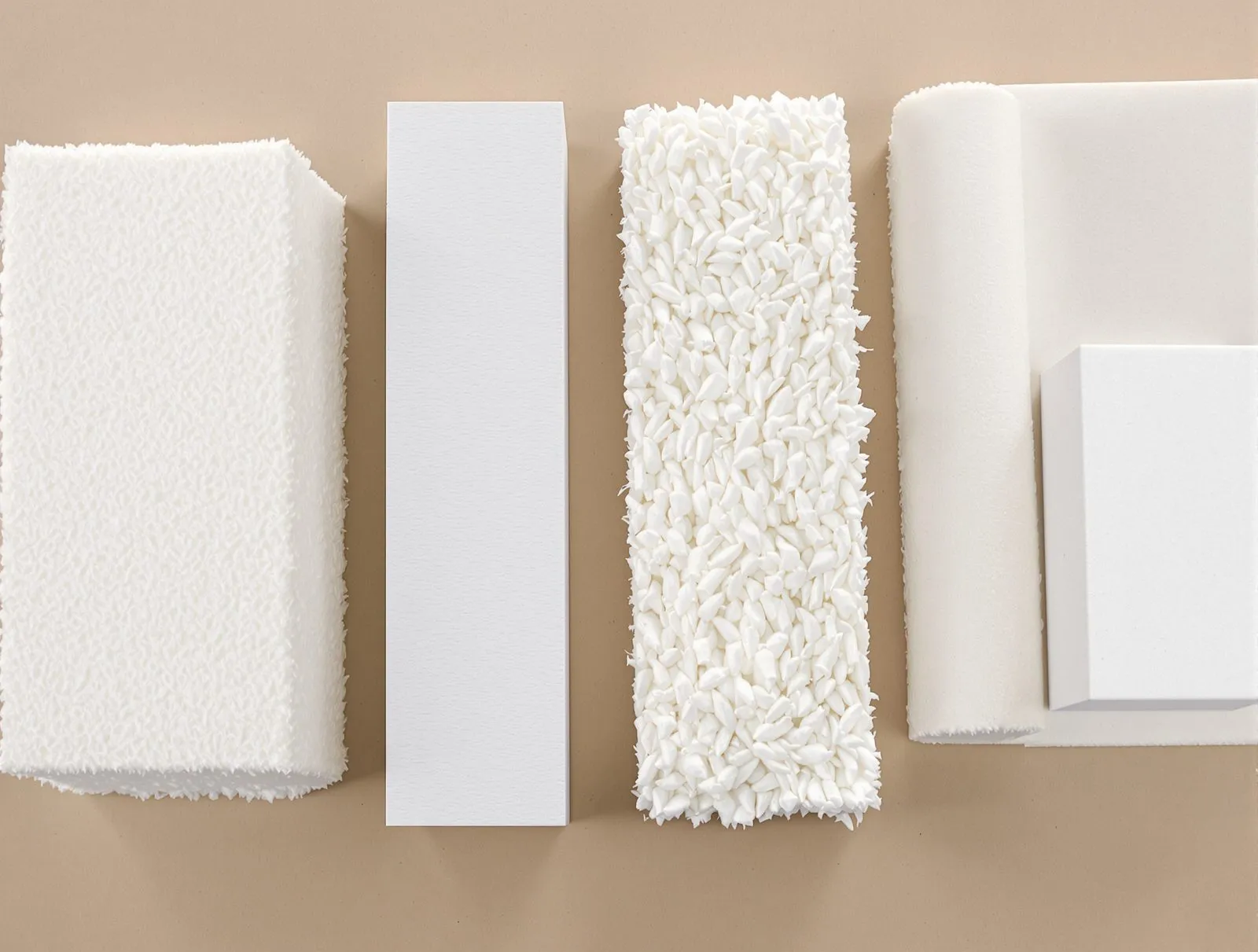
Types of Ceramic Insulation
Blanket, board, paper, modules, rope or loose fibre: what each type of ceramic insulation is for, and how to choose.
Product Information
Product Details
Ceramic fibre insulation comes in several forms. They are made from the same kind of heat-resistant fibre, but each form suits a different job. This page gives a short overview to help you choose.
The main types
| Type | What it is | Best for |
|---|---|---|
| Blanket | Soft, flexible mat | Wrapping, lining curved surfaces, doors |
| Board | Stiff flat sheet | Walls, roofs, heat shields, hot gas flow |
| Paper | Thin flexible sheet | Gaskets, seals, tight spaces |
| Modules | Folded blanket blocks with anchors | Fast lining of large furnace walls and roofs |
| Rope and tape | Braided or twisted fibre | Door seals, gaps, pipe joints |
| Bulk fibre | Loose fibre | Filling gaps and joints, making shapes |
| Vacuum-formed shapes | Fibre moulded to a shape | Burner blocks, tubes, special parts |
How to choose
- Temperature. Pick a grade whose classification temperature is at least 100–150 °C above your real working temperature.
- Shape of the surface. Curves and pipes need a flexible blanket. Flat walls can use board or modules.
- Gas flow and wear. Where hot gas moves fast or the load can rub, use board or a high-density product on the hot face.
- Space. Where only a few millimetres are free, use paper or tape.
- Heating cycles. Furnaces that start and stop often save the most energy with a light fibre lining.
Ceramic fibre or firebrick?
Firebrick is strong and resists wear, but it is heavy and stores a lot of heat. Ceramic fibre is light and stores little heat, so the furnace heats up faster and uses less fuel. Many furnaces use both: brick where the load sits or where metal or slag touches the wall, and fibre for the rest. Our furnace insulation page explains how layers work together.
Safety
Ceramic fibres can irritate the skin, eyes and throat. When cutting or fitting them, wear gloves, long sleeves, eye protection and a dust mask, and keep the work area clean.
Need help?
Tell us about your furnace or equipment, its temperature and what you want to improve. We will suggest the right type and amount. Contact us.
Related Products
 Ceramic Insulation
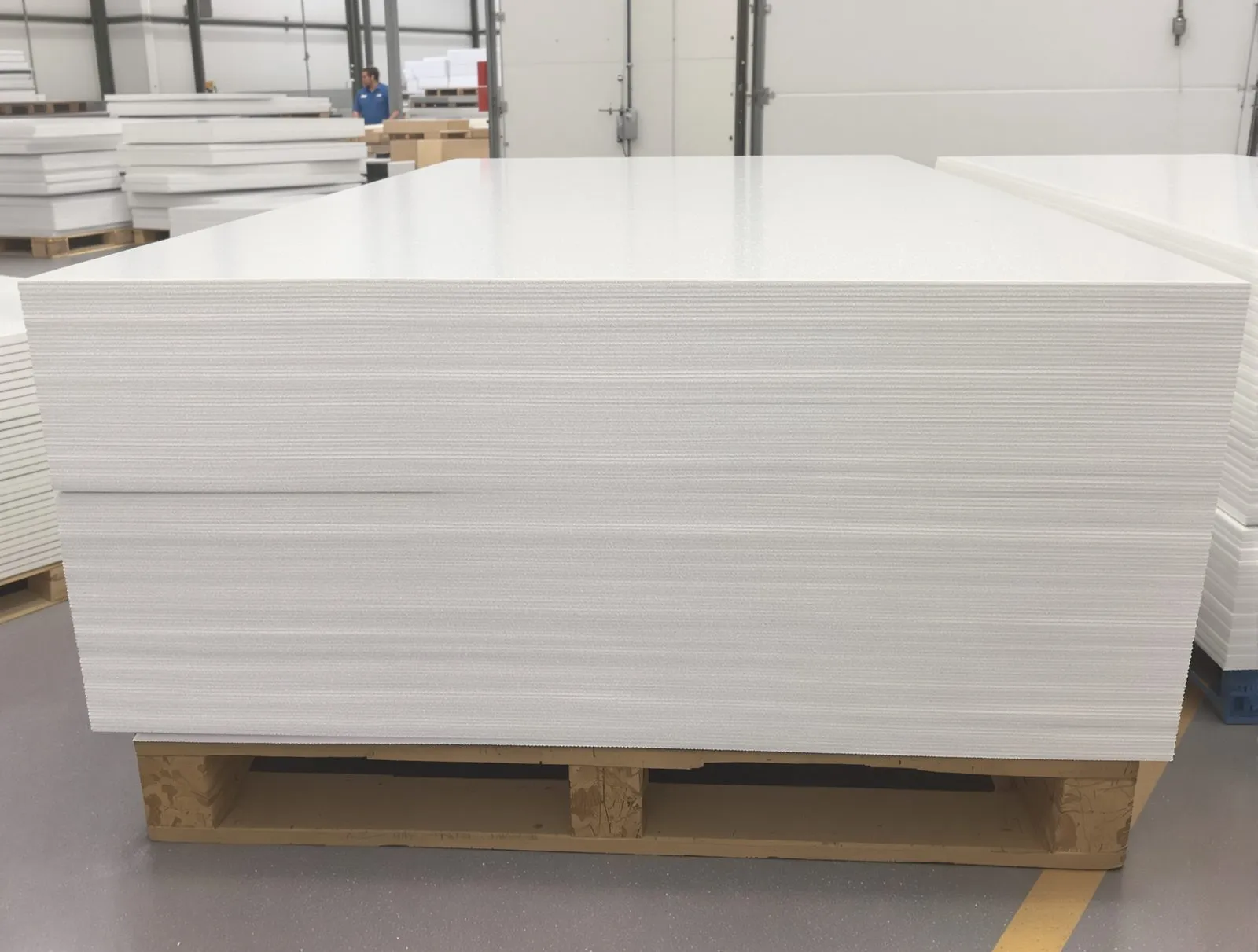
Ceramic Boards
Rigid, light ceramic fibre boards for furnace walls, back-up linings and heat shields. Easy to cut to shape.
View This Product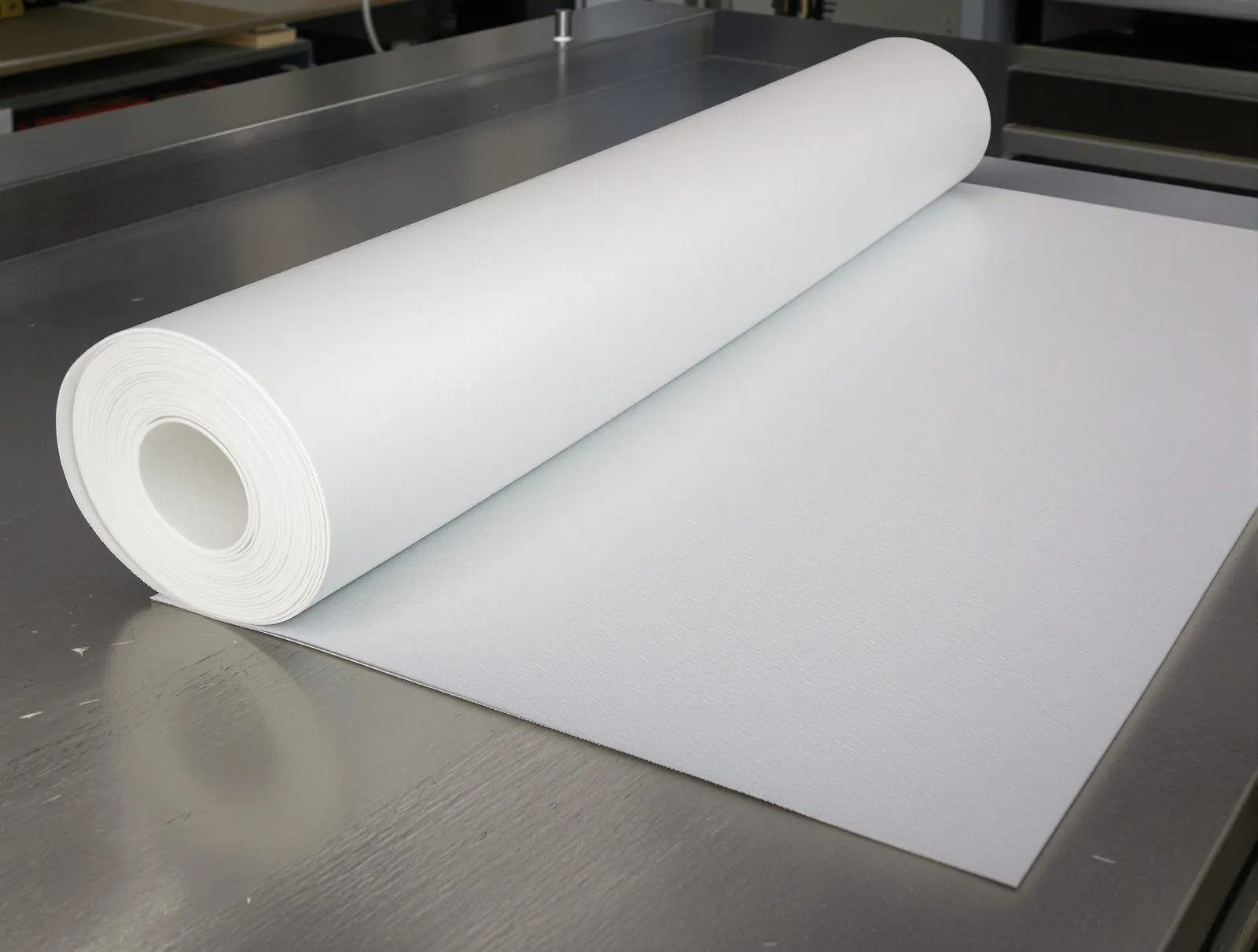 Ceramic Insulation
Ceramic Paper
Thin, flexible ceramic fibre paper for gaskets, seals and insulation in tight spaces where heat is high.
View This Product