

Ceramic Fibre Insulation: Blanket, Board or Paper?
Ceramic fibre comes as blanket, board, paper and more. Here is what each form is good at, and how to pick the right grade.
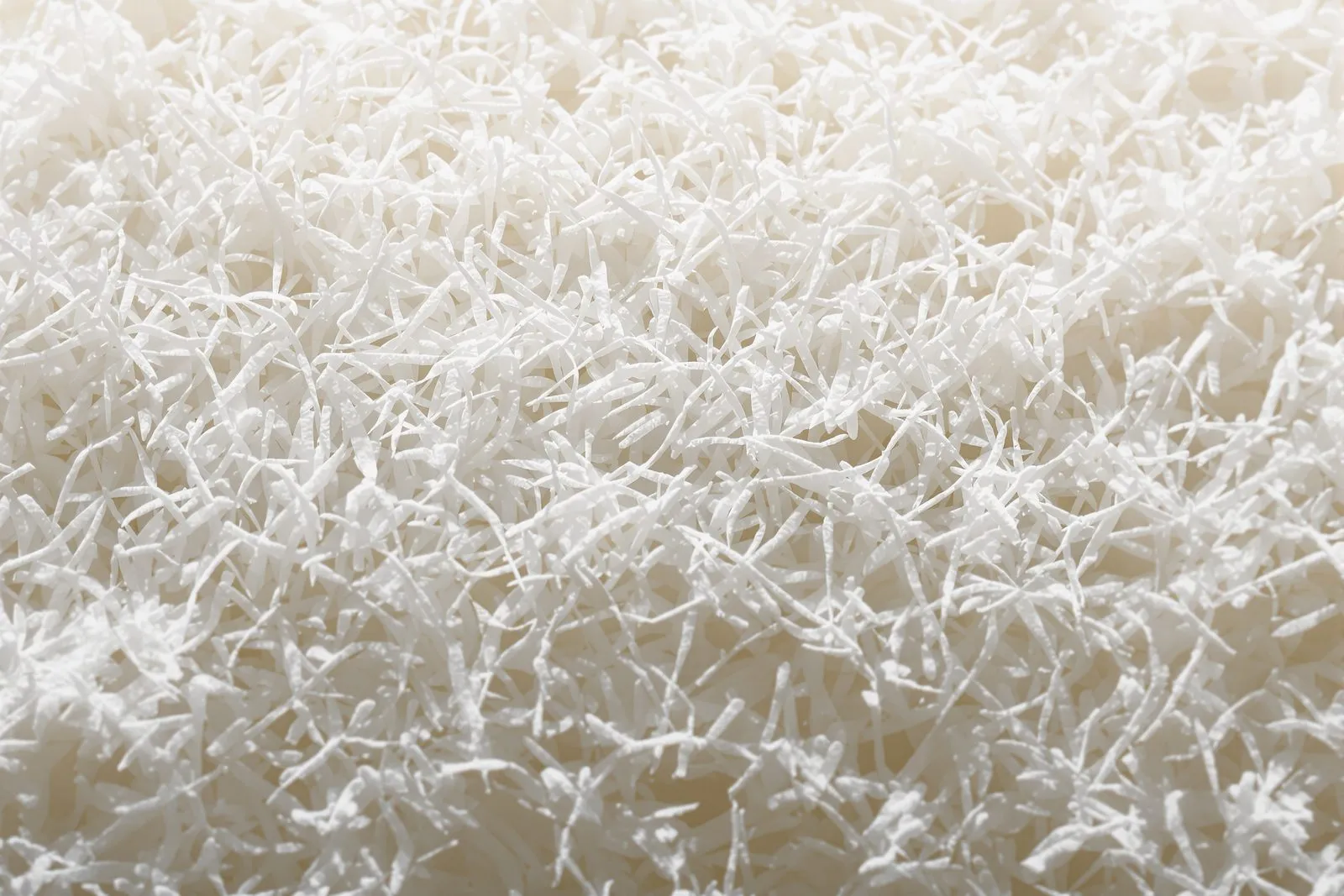
Ceramic fibre is a kind of wool made from heat-resistant minerals (mainly alumina and silica). The fibres trap a lot of air, and air is a poor conductor of heat, so the material stops heat very well. Unlike glass wool or rock wool, it keeps working at very high temperatures, often 1,000 °C and more.
That makes ceramic fibre one of the most useful materials for furnaces, kilns, boilers and anything else that runs hot. It comes in several forms, and choosing the right one makes a big difference.
The three main forms
Blanket
A ceramic blanket is a soft, flexible mat of long fibres needled together. It bends around curves, fills uneven spaces and is quick to fit. It is the most common form, used for furnace linings, doors, pipes and repairs.
Board
A ceramic board is a stiff sheet made by pressing fibres with a binder. It keeps its shape, so it suits flat walls, roofs, heat shields and places where hot gas moves fast and would wear a blanket away.
Paper
Ceramic paper is a thin sheet, usually 1 to 6 mm thick. It is used for gaskets, seals and insulation in tight spaces, and as a separating sheet so hot parts do not stick.
Other forms include modules (folded blanket blocks for fast lining of big furnaces), rope and tape for seals, bulk fibre for filling gaps, and vacuum-formed shapes for special parts. Our page on types of ceramic insulation has the full list.
Grade: the temperature number
Every ceramic fibre product has a classification temperature: the highest temperature it can take for a short time without shrinking too much. Common grades are:
| Grade | Classification temperature (about) | Typical long-term use |
|---|---|---|
| Standard | 1,260 °C | Up to about 1,000–1,100 °C |
| High purity | 1,260 °C | Up to about 1,100 °C, cleaner and more stable |
| Zirconia-containing | 1,430 °C | Up to about 1,250–1,300 °C |
The key rule: do not run a product at its classification temperature. Choose a grade at least 100–150 °C above your real working temperature, or the fibre will shrink, and gaps will open in the lining.
Density and thickness
- Density (kg/m³) tells you how much fibre is packed into the product. Blankets are usually 64, 96 or 128 kg/m³. Higher density is stronger and better against gas flow; lower density is lighter and a little cheaper.
- Thickness decides how much heat is stopped. Doubling the thickness does not stop twice as much heat, but it helps a lot, especially at high temperatures. Most linings use several layers.
Where fibre beats brick
Compared with firebrick, ceramic fibre:
- weighs much less (often 10 times lighter),
- stores far less heat, so the furnace heats up and cools down faster,
- is easier to cut, fit and repair,
- does not crack from thermal shock.
Brick is still better where the load sits on the floor, where molten metal or slag touches the wall, or where there is heavy wear. Many furnaces use both.
Working safely
Ceramic fibres can irritate the skin, eyes and throat. When you cut or fit them:
- wear gloves, long sleeves, safety glasses and a dust mask,
- cut with a knife instead of a power saw when possible,
- clean up with a vacuum cleaner, not a brush or compressed air.
Need help choosing?
Tell us what you are insulating, the working temperature and the space you have. We will suggest the form, grade and thickness. Contact us.
Related Articles
Seven Ways to Save Energy in Industrial Furnaces
Practical ways to cut fuel and electricity use in furnaces and kilns, from better insulation to tighter doors and seals.